8 Holiday Coffee Drinks You Can Make at Home (Peppermint Mocha, Gingerbread Latte and More)
 Tommie Chaney·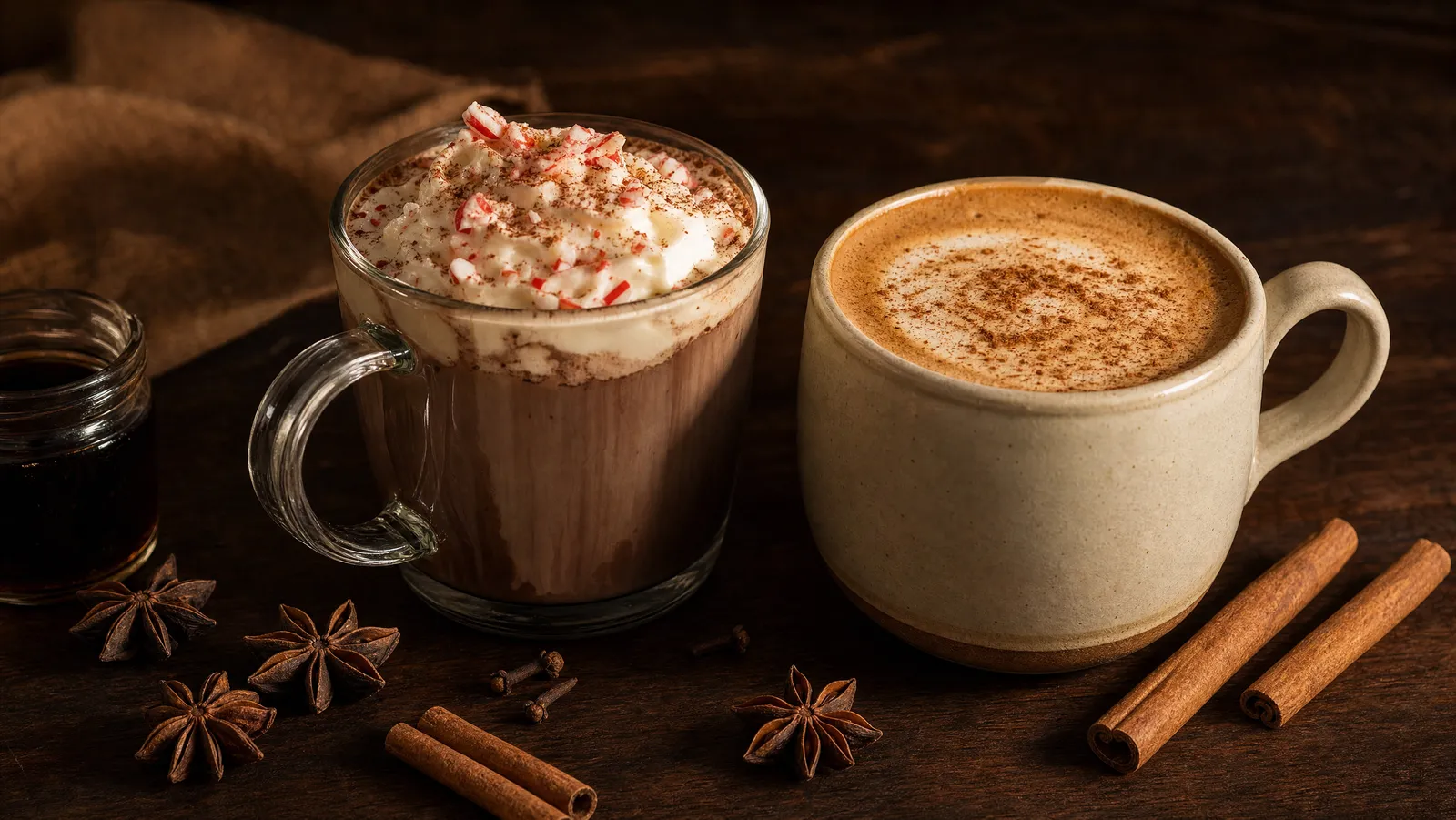
Affiliate disclosure: Sweeter Grind is a participant in the Amazon Services LLC Associates Program. We may earn commissions on qualifying purchases at no extra cost to you.
You can make every one of these holiday coffee drinks at home with a stovetop moka pot and three jars of syrup.
Peppermint mocha, gingerbread latte, eggnog latte, caramel brulee latte, mulled coffee, toasted marshmallow latte, shaken espresso and Irish coffee. Eight drinks, each under five minutes once the syrup is made, and not one of them requires an espresso machine.
That matters, because most people reading this don't own one. Espresso is just very concentrated coffee, and there are three good ways to make it without a pump machine. Every recipe below gives both routes.
This is a seasonal chapter in our larger guide to café-style coffee drinks at home. Below: the substitutions, a comparison table, eight recipes with real weights, a syrup batching plan, and the failure modes that make homemade versions taste like a candle.
Holiday Coffee Drinks Without an Espresso Machine
A double shot of espresso is roughly 18 g of coffee in, 36 g of liquid out, in 25 to 30 seconds. You need that concentration, not that pressure. According to 9Barista's explainer on stovetop brewers, a moka pot forces water through the grounds at around 1 bar at most, against the 9 bar an espresso machine uses, which is why moka coffee is not technically espresso. It is still concentrated enough for a latte.
Three substitutes, in order of how close they get:
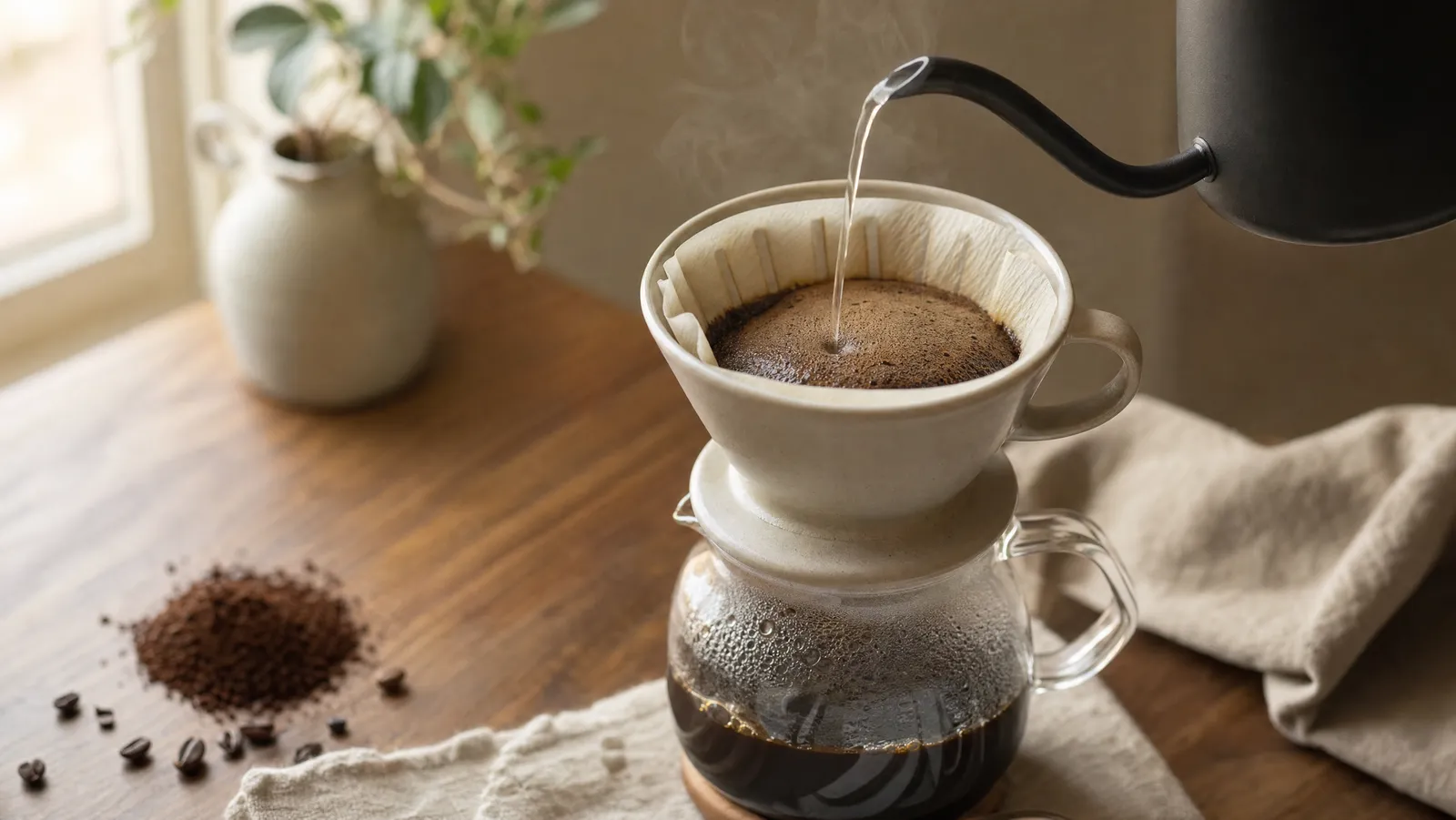
- Moka pot. A 3-cup Bialetti-style pot takes about 16 g of coffee ground finer than drip. According to Bialetti's own capacity figures, that 3-cup size brews about 130 ml, so one batch covers two drinks at 60 ml each; a 1-cup pot is the 60 ml size. Fill the boiler with already-hot water to the valve, hold the heat at medium, and pull it off the burner the moment it gurgles. That gurgle is steam blowing through spent grounds, and it tastes like it.
- AeroPress concentrate. 20 g of coffee to 60 ml of water at 200°F, stir 10 seconds, steep 60 seconds, press slowly. That yields about 45 to 50 ml, roughly a 1:3 ratio. Our best AeroPress recipes and techniques covers the inverted method.
- Double-strength drip. Standard drip runs near 55 g of coffee per litre; the SCA Golden Cup ratio is 55 g/L plus or minus 10 percent. Double it to around 120 g per litre and brew 120 ml. Weakest of the three, and the only one needing no new equipment. Use our brew ratio calculator to scale it.
For the full trade-offs, see how to make espresso without an espresso machine.
Which of the eight genuinely needs espresso? Strictly, none. The shaken espresso loses the most: its foam cap comes from whipping air into the crema of a fresh shot, and drip coffee has no crema to whip. The mulled coffee and Irish coffee are actually better with drip.
The Eight Christmas Coffee Drinks at a Glance
| Drink | Coffee base | Sweetener | Milk | Hot or iced | Needs real espresso? |
|---|---|---|---|---|---|
| Peppermint mocha | 36 g espresso or 60 ml moka | Chocolate sauce + peppermint syrup | 220 ml whole, steamed | Hot (iced works) | No |
| Gingerbread latte | 36 g espresso or 60 ml moka | Gingerbread syrup 25 ml | 220 ml whole, steamed | Hot | No |
| Eggnog latte | 36 g espresso or 60 ml moka | None needed | 120 ml eggnog + 120 ml milk | Hot | No |
| Caramel brulee latte | 36 g espresso or 50 ml AeroPress | Caramel brulee sauce 30 g | 220 ml whole, steamed | Hot or iced | No |
| Spiced mulled coffee | 1 L brewed drip or French press | Brown sugar 30-50 g | Optional 30 ml cream | Hot | No, drip preferred |
| Toasted marshmallow latte | 36 g espresso or 60 ml moka | Brown sugar syrup 20 ml | 220 ml marshmallow milk | Hot | No |
| Cinnamon brown-sugar shaken espresso | 36-40 g espresso | Brown sugar syrup 20 ml + cinnamon | 60-90 ml oat, cold | Iced | Yes, or AeroPress concentrate |
| Irish coffee nightcap | 120 ml strong drip | Brown sugar 7 g | 30 ml lightly whipped cream | Hot | No, drip preferred |
Eight Holiday Coffee Drink Recipes, Step by Step
Every recipe is built for a 12 oz (355 ml) mug. Milk goes to 140°F, measured, not guessed. If your microfoam is a pile of bubbles rather than wet paint, read how to steam milk like a barista first. No syrup fixes bad milk.
1. Peppermint Mocha Recipe at Home
- 36 g espresso, or 60 ml moka pot coffee
- 20 g chocolate sauce, or 12 g cocoa powder plus 12 g sugar dissolved in 15 ml hot coffee
- 15 ml peppermint syrup
- 220 ml whole milk steamed to 140°F
- Whipped cream and crushed candy cane
Stir the chocolate into the hot coffee first, while it is hot enough to dissolve cocoa solids. Then the peppermint syrup, then the milk. According to Starbucks' own menu description, the café version is its signature espresso with steamed milk, sweet mocha sauce and peppermint-flavoured syrup, topped with whipped cream and dark chocolate curls. Nothing exotic to reverse-engineer. Starbucks also lists a Peppermint White Chocolate Mocha built on white chocolate sauce with dark chocolate curls.
The failure mode: peppermint extract instead of syrup. Extract is far more concentrated, so a teaspoon turns the drink into toothpaste. Use one or two drops, and check the label says peppermint, not spearmint.
2. Gingerbread Latte Recipe
Make the syrup first. Combine 200 g dark brown sugar, 200 ml water, 1 tsp ground ginger, 1 tsp cinnamon, 1/4 tsp clove, 1/4 tsp nutmeg and a pinch of cardamom. Simmer 5 minutes, steep 20 minutes off the heat, strain. Add 5 g molasses for the darker, bitter edge real gingerbread has.
That list is not arbitrary. According to Sew Historically's write-up of medieval Nuremberg Lebkuchen, traditional gingerbread spice is cinnamon, cloves, ginger, cardamom, nutmeg and pepper, left coarsely ground rather than milled to powder for more flavour.
The drink: 36 g espresso, 25 ml gingerbread syrup, 220 ml milk steamed to 140°F, grated nutmeg on top.
3. Eggnog Latte Recipe
- 36 g espresso, or 60 ml moka pot coffee
- 120 ml store-bought eggnog plus 120 ml whole milk
- Fresh grated nutmeg
- No added syrup. Eggnog is already sweet.
Eggnog behaves nothing like milk under steam, and its composition explains why. According to the FDA standard of identity at 21 CFR 131.170, eggnog must contain not less than 6 percent milkfat, 8.25 percent milk solids not fat and 1 percent egg yolk solids by weight, and must be pasteurized. Those fats and egg solids are why it behaves badly under steam: it thickens fast, can turn grainy or eggy if it boils, and scorches on a hot wand.
Cut it 1:1 with milk, steam gently, stop at 140°F, and do not chase microfoam. The thick, glossy, custardy texture you get instead is the right answer here.
4. Caramel Brulee-Style Latte
The sauce is the whole drink. Spread 100 g white sugar in a dry pan over medium heat and leave it alone until it liquefies and turns the colour of strong iced tea with a nutty smell. That smell is the cue; the second it smells sharp, it is past saving. Off the heat, whisk in 60 ml of warm heavy cream and a pinch of salt. It will seize and spit, which is normal.
Before adding the cream, pour a thin stream of plain caramel onto parchment, let it set hard, then crack it into shards for the topping.
The drink: 30 g sauce, 36 g espresso, 220 ml milk at 140°F, whipped cream, caramel shards. Sucrose caramelises at roughly 160 to 170°C (320 to 338°F), close to twice the temperature of boiling water, and molten sugar sticks to skin. Keep children out of the kitchen.
5. Spiced Mulled Coffee with Cardamom, Clove and Orange
This one scales to a crowd and needs no milk, no espresso and no syrup.
- 1 L brewed coffee at 60 g per litre
- 4 green cardamom pods, crushed
- 4 whole cloves
- 1 cinnamon stick
- 2 wide strips of orange peel, no white pith
- 30 to 50 g brown sugar to taste
Hold it hot enough to steam but never bubbling, steep 15 to 20 minutes, then strain. Use whole spices: ground spice releases everything at once, goes gritty and turns harsh, while whole spice gives up aromatics slowly so you can taste when to stop.
6. Toasted Marshmallow and Brown-Sugar Latte
Brown sugar syrup: 150 g dark brown sugar and 150 ml water, simmered 3 minutes. That is it.
Toast 3 marshmallows under the broiler until the surfaces blacken in patches, then stir them into 100 ml of hot milk until they melt. Steam the remaining 120 ml separately and combine.
That separation is the trick. Melted marshmallow turns milk thick and sticky, and most baristas report that it will not texture into clean microfoam. Steam clean milk, stir the marshmallow milk in afterwards.
The drink: 36 g espresso, 20 ml brown sugar syrup, the combined milk, one torched marshmallow on top.
7. Cinnamon Brown-Sugar Oat Milk Shaken Espresso
The iced option, worth making in January when nobody wants another hot drink.
- 36 to 40 g hot espresso, or 50 ml AeroPress concentrate
- 20 ml brown sugar syrup
- 1/4 tsp ground cinnamon
- about 150 g ice
- 60 to 90 ml barista-edition oat milk
Combine coffee, syrup, cinnamon and ice in a cocktail shaker and shake hard for 15 seconds, until the outside frosts. Strain over fresh ice in a 16 oz glass and float the oat milk on top.
Use syrup, not granulated sugar. According to published sucrose solubility tables, sucrose dissolves at 179.2 g per 100 g of water at 0°C against about 204 g at 20°C, so solubility falls as the drink chills and undissolved crystals settle as grit.
For the thick white cap cafés put on these, we have a dedicated cold foam at home guide coming.
8. Irish Coffee Nightcap
Contains alcohol. Adults only, and not for anyone driving, pregnant or avoiding alcohol. Make the mulled coffee for them instead.
- 120 ml hot, strong drip coffee
- 7 g brown sugar
- 40 ml Irish whiskey
- 30 ml heavy cream, whipped only until barely thickened and still pourable
Preheat the glass with hot water and dump it. Stir the sugar in until fully dissolved, add the whiskey, then pour the cream slowly over the back of a spoon so it floats. The float works on density: sweetened coffee is denser than loose cream, which is why skipping the sugar or over-whipping the cream both wreck the layer.
According to RTÉ Brainstorm, the drink was invented in 1943 by chef Joe Sheridan at the flying-boat terminal in Foynes, County Limerick, and the original was simply hot coffee, Irish whiskey, sugar and cream. Drip is correct here, not espresso.
Batch the Syrups Once, Use Them All Month
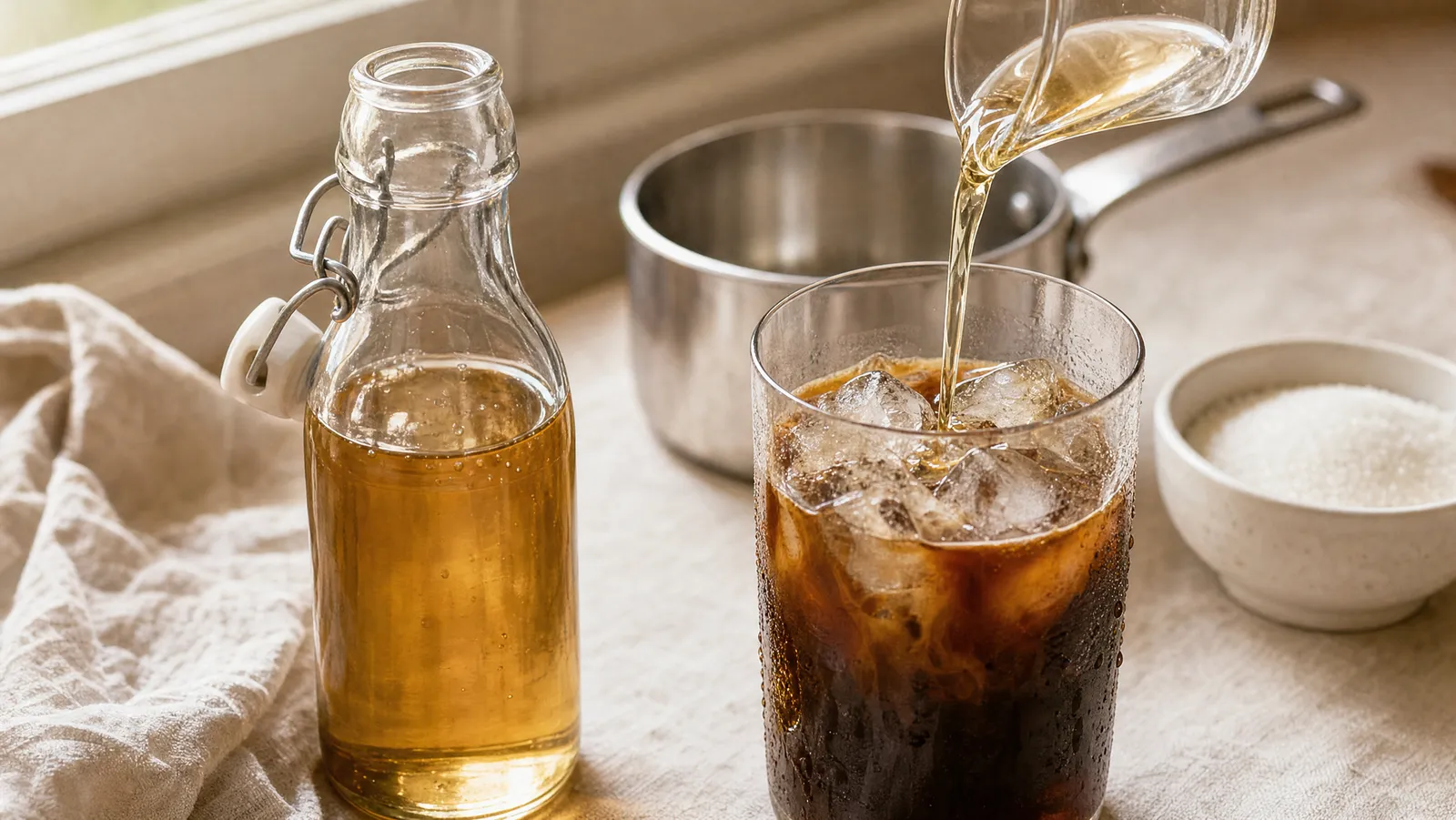
Three syrups cover all eight drinks: peppermint, gingerbread and brown sugar. Each is 1:1 sugar to water by weight, simmered briefly. One Sunday, 15 minutes of active work, three labelled jars.
Shelf life is the part people get wrong. According to Feast + West's guide to storing simple syrup, a plain 1:1 syrup keeps roughly one month refrigerated in an airtight container, while a 2:1 syrup can hold three to six months because the extra sugar acts as a preservative, binding more of the available water. Spice-infused syrups sit at the shorter end, so date the jar and discard anything cloudy.
Start with how to make simple syrup for coffee for the base technique. We are also building out a wider set of homemade coffee syrup recipes, but these three are all this list needs.
Which Coffee Beans Work Best for Holiday Drinks
A medium-dark roast stands up to syrup. A delicate light roast does not, and buying one for these drinks wastes money. Twenty millilitres of peppermint syrup will erase the jasmine and bergamot you paid a premium for.
Holiday blends are built to this brief. According to Starbucks Stories, the long-running Christmas Blend is a dark roast that brings together rare aged Sumatran coffee with dark-roasted beans from Guatemala, Colombia and the Asia Pacific region, with notes of spiced chocolate and spruce. According to MTPak Coffee's roaster's guide to Sumatran coffee, Sumatran coffees are full-bodied, earthy and low in acidity, grown in soil made fertile by volcanic activity and processed by traditional wet-hulling, precisely the profile that survives chocolate and spice.
So: medium to medium-dark, body over brightness. A grocery holiday blend is genuinely fine here.
Serving Holiday Coffee Drinks for a Crowd
Lattes do not scale. Mulled coffee does.
- Slow cooker. Build the mulled coffee at triple volume on Low or Keep Warm, spices in a muslin bag so you can pull them once the flavour lands. Never High: boiled coffee tastes stewed and flat.
- Thermal carafe. Preheat with hot water for a minute, dump it, then brew into it. A glass pot on a hotplate tastes burnt before the party ends.
- Syrup bar. Squeeze bottles of the three syrups alongside milk, whipped cream, cinnamon, nutmeg and candy cane shards. Tell guests 15 to 25 ml per 12 oz mug so nobody drinks a dessert by accident.
What to Make First
Make the brown sugar syrup. It takes 3 minutes, keeps for weeks, and it is the base for two of these drinks plus most year-round iced ones. Then pick the café drink you miss most and make it twice: once by the recipe, once adjusted to your taste.
The broader skills behind all of this, which milk to buy, how syrups work, how to build a drink that tastes balanced rather than sweet, are covered in our guide to making coffee shop drinks at home.
Frequently Asked Questions
Can I make holiday coffee drinks at home without an espresso machine?
Yes, all eight. Use a moka pot (a 3-cup pot takes about 16 g of coffee and brews roughly 130 ml, so 60 ml per drink), an AeroPress concentrate at 20 g to 60 ml of 200°F water, or double-strength drip at about 120 g per litre. According to 9Barista, a moka pot runs at around 1 bar at most against espresso's 9 bar, so it is not espresso, but it is concentrated enough for a latte.
What is actually in a café peppermint mocha?
According to Starbucks' menu description, it is its signature espresso with steamed milk, sweet mocha sauce and peppermint-flavoured syrup, finished with whipped cream and dark chocolate curls. Most cafés build it the same way, which is why a home version with decent chocolate sauce and real peppermint syrup tastes close.
Can I steam eggnog like regular milk?
Not the same way. According to the FDA standard at 21 CFR 131.170, eggnog contains at least 6 percent milkfat, 8.25 percent milk solids not fat and 1 percent egg yolk solids. It thickens quickly, can turn grainy or eggy if it boils, and scorches easily, which is why most baristas cut it with milk. Cut it 1:1 with whole milk, steam gently, stop at 140°F, and accept a glossy custardy texture.
Do I have to use syrup, or can I just add sugar?
For hot drinks, sugar dissolves fine. For anything iced, use syrup. According to published sucrose solubility data, sucrose dissolves at 179.2 g per 100 g of water at 0°C versus about 204 g at 20°C, so cold drinks hold less dissolved sugar and the rest settles as grit.
Which coffee should I buy for Christmas coffee drinks?
A medium to medium-dark roast with body and low acidity. According to MTPak Coffee, Sumatran coffee is full-bodied, earthy and low in acidity, grown in volcanic soil and processed by wet-hulling, which is why so many holiday blends lean on it. Skip the light roast; syrup will bury it.
How long do homemade holiday coffee syrups last?
According to Feast + West, a 1:1 simple syrup keeps about a month in the fridge in an airtight container, and a 2:1 syrup three to six months because the higher sugar concentration acts as a preservative, tying up more available water. Treat spiced syrups as the shorter end, date the jar, and discard anything cloudy.